JEFF HULL’S PAVING & SEAL COATING • KANSAS
Asphalt 101 Blueprint for Kansas Homeowners
A clear, technical guide to choosing between asphalt and concrete for your Kansas driveway or private road—built for Midwest freeze–thaw cycles, not brochure talk.
- How asphalt really handles Kansas freeze–thaw cycles vs. concrete
- When chip seal is smart—and when you need hot-mix asphalt
- What a correct driveway cross-section should look like on your soil
- Exact next steps before you tear out or overlay an existing surface
Most Kansas driveways fail from what’s under the surface—not what you see on top. This blueprint walks you through the right section, layer by layer.
Typical Kansas Driveway Cross-Section
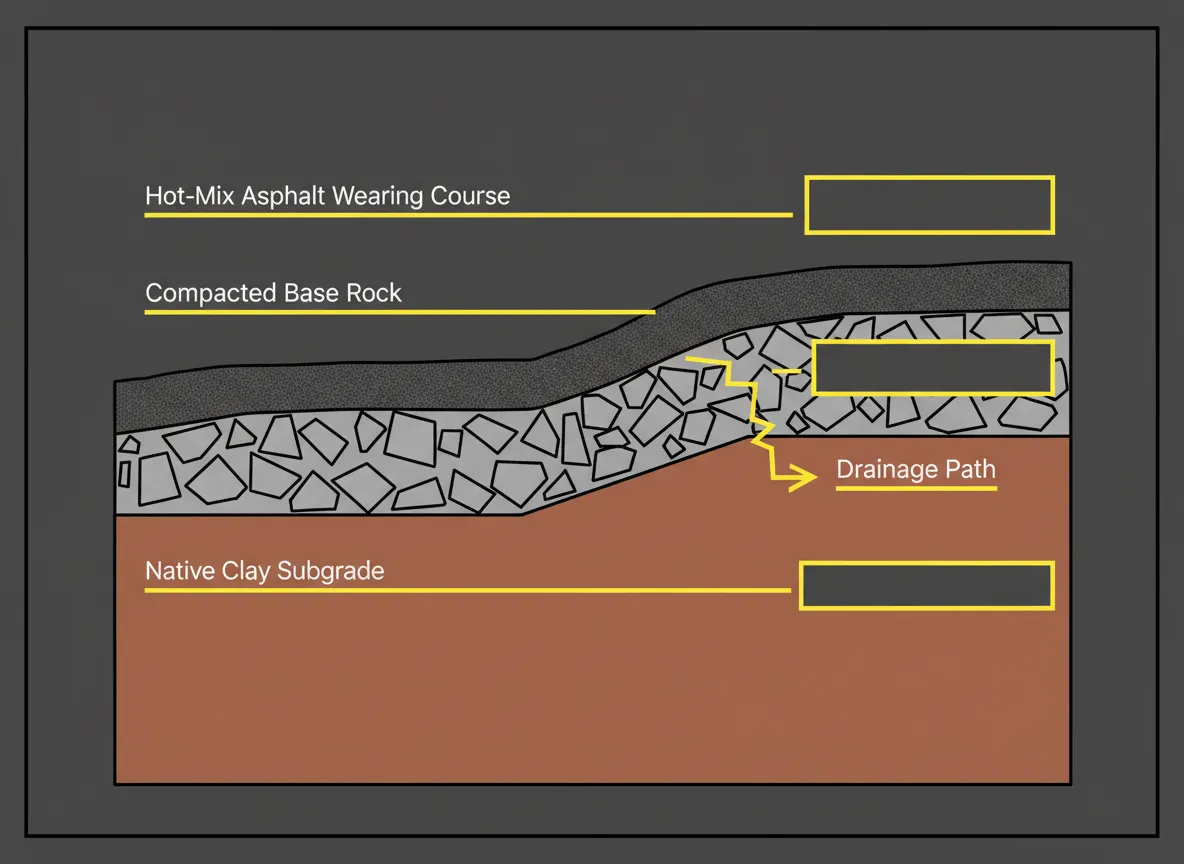
Layers shown: hot-mix asphalt wearing course, compacted base rock, and native Kansas subgrade with drainage path—exactly what we’ll inspect during your consult.
Serving Wichita, Hutchinson, Salina, McPherson, and surrounding Kansas communities.
STEP 1
Asphalt vs. Concrete in Kansas: The Real Tradeoffs
Freeze–thaw cycles, black ice, and Midwest clay soils punish rigid surfaces. This comparison focuses on how each material behaves in real Kansas conditions—not on brochure lifespans from other climates.
Engineered Asphalt Surface
Flexible, dark, and forgiving—built to move slightly with Kansas subgrade and temperature swings instead of cracking apart.
- Freeze–thaw: Flexes with movement; cracks are easier to seal before water intrudes.
- Snow & ice: Dark color warms faster in winter sun—helps melt ice and snow.
- Repairs: Overlay and patching options help extend life without full tear-out.
- Comfort: Quieter and smoother to drive on; easier on tires and suspensions.
- Timeline: Typical residential installs completed in 1–2 days, usable soon after.
Best for: Kansas driveways, private lanes, and small parking areas where winters, soil movement, and budget all matter.
Poured Concrete Surface
Rigid, light-colored slabs that can look clean on day one—but don’t like to move with Kansas clay soils and winter heave.
- Freeze–thaw: Expansion joints help, but slab cracking often means visible, permanent damage.
- Snow & ice: Light color reflects sun; surface stays colder and can hold ice longer.
- Repairs: Repairs are patchy and obvious; often require full panel replacement.
- Comfort: Hard, noisier surface; joints can create bumps for vehicles.
- Timeline: Longer cure time before full use; more sensitive to weather on pour day.
Use with caution: Decorative or high-end applications where appearance matters more than flexibility and long-term maintenance cost.
STEP 2
Chip Seal vs. Hot-Mix Asphalt
Both systems are built on a prepared base, but they behave very differently under Kansas pickups, trailers, and snow equipment. We’ll help you choose the right build for your traffic and budget.
Rule of thumb: Chip seal is a cost-effective, textured surface for longer rural drives and low-speed lanes. Hot-mix asphalt is your smoother, heavier-duty option for daily parking, turning, and heavier loads.
Chip Seal System
Liquid asphalt binder is sprayed over the base, then covered with clean rock chips and rolled in. Think of it as a sealed gravel surface with improved durability.
- Excellent for long country drives and low-speed private roads.
- More texture underfoot; some loose rock early on is normal.
- Lower upfront cost than hot-mix asphalt.
- Can be refreshed with additional chip seal layers over time.
Ideal Kansas use: Rural homes, farm lanes, and shared private roads where budget and dust control are top priorities.
Hot-Mix Asphalt
A dense, machine-laid asphalt mat placed over a compacted base. This is the smooth, jet-black surface most people picture when they think “new driveway.”
- Smooth, quieter drive with clean, modern curb appeal.
- Handles turning, backing trailers, and daily vehicle traffic well.
- Accepts periodic seal coats to lock out water and UV.
- Best long-term value where vehicles park and maneuver.
Ideal Kansas use: Suburban driveways, shop approaches, and small parking areas where appearance and smoothness matter every day.
SEE IT BEFORE YOU COMMIT
Real Kansas Projects & Technical Views
From oil-black driveways against stone-grey homes to under-the-surface diagrams, this gallery shows you what a properly engineered asphalt solution looks like in Kansas.
During your Asphalt 101 Blueprint consult, we’ll walk through photos, sketches, and section views specific to your property—so you’re never guessing about what’s going under your tires.
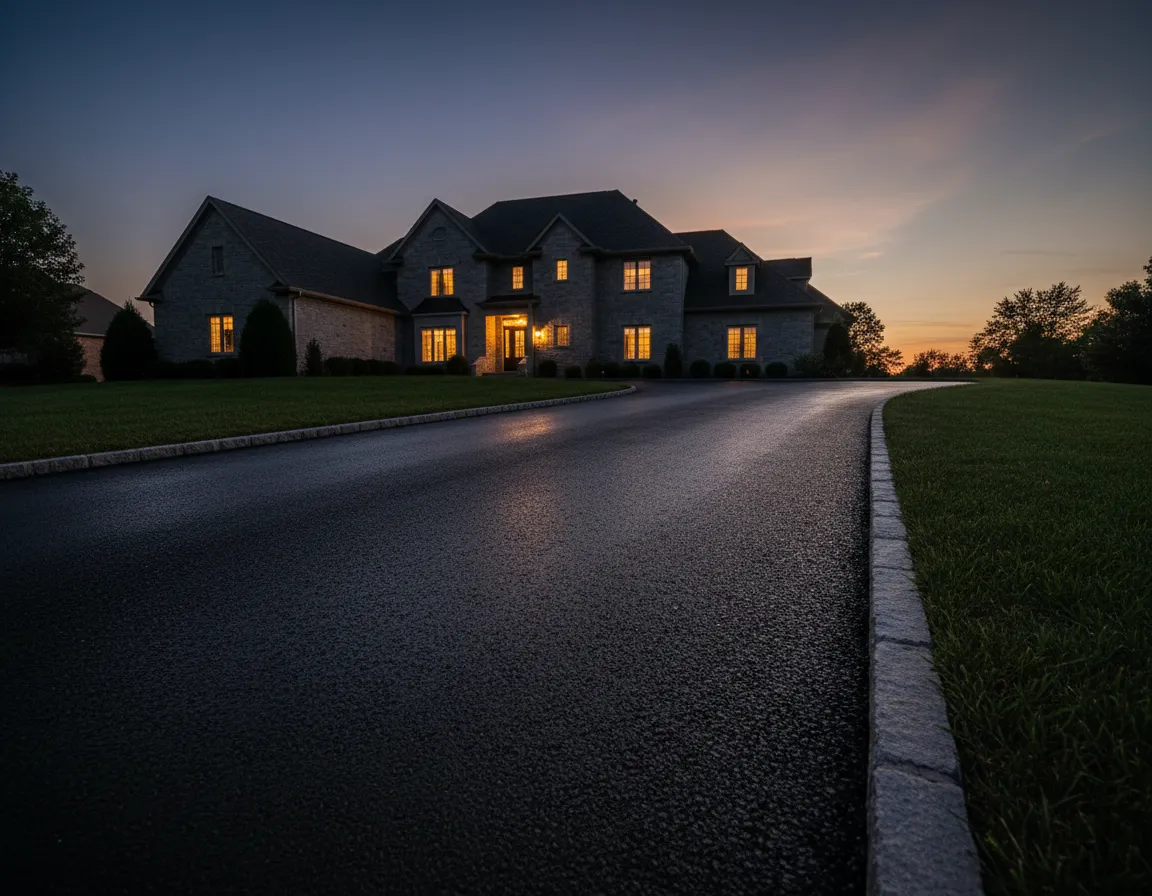
Fresh hot-mix asphalt driveway paired with a stone-grey exterior. Note the clean edges, drainage pitch, and uniform compaction.
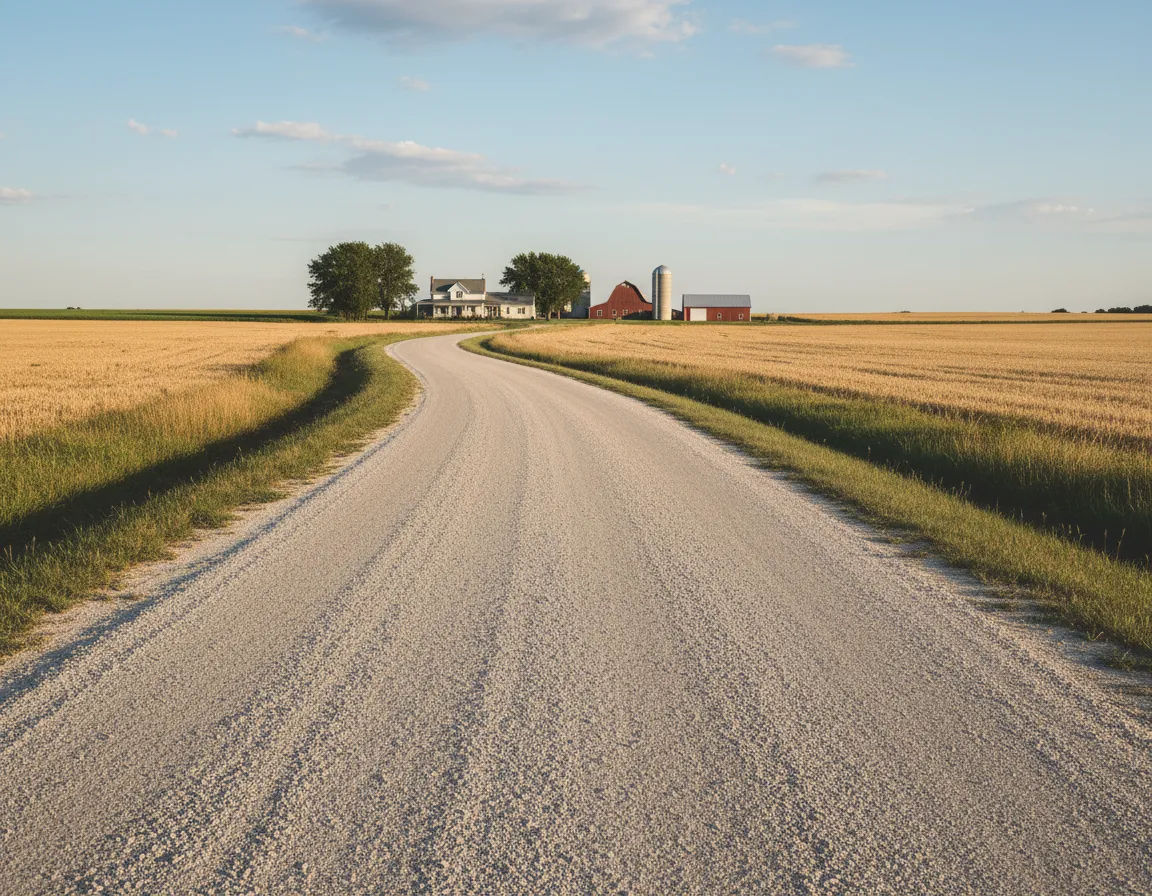
Chip seal on a rural approach—lighter, more textured, and ideal for long runs where dust and mud used to be an issue.
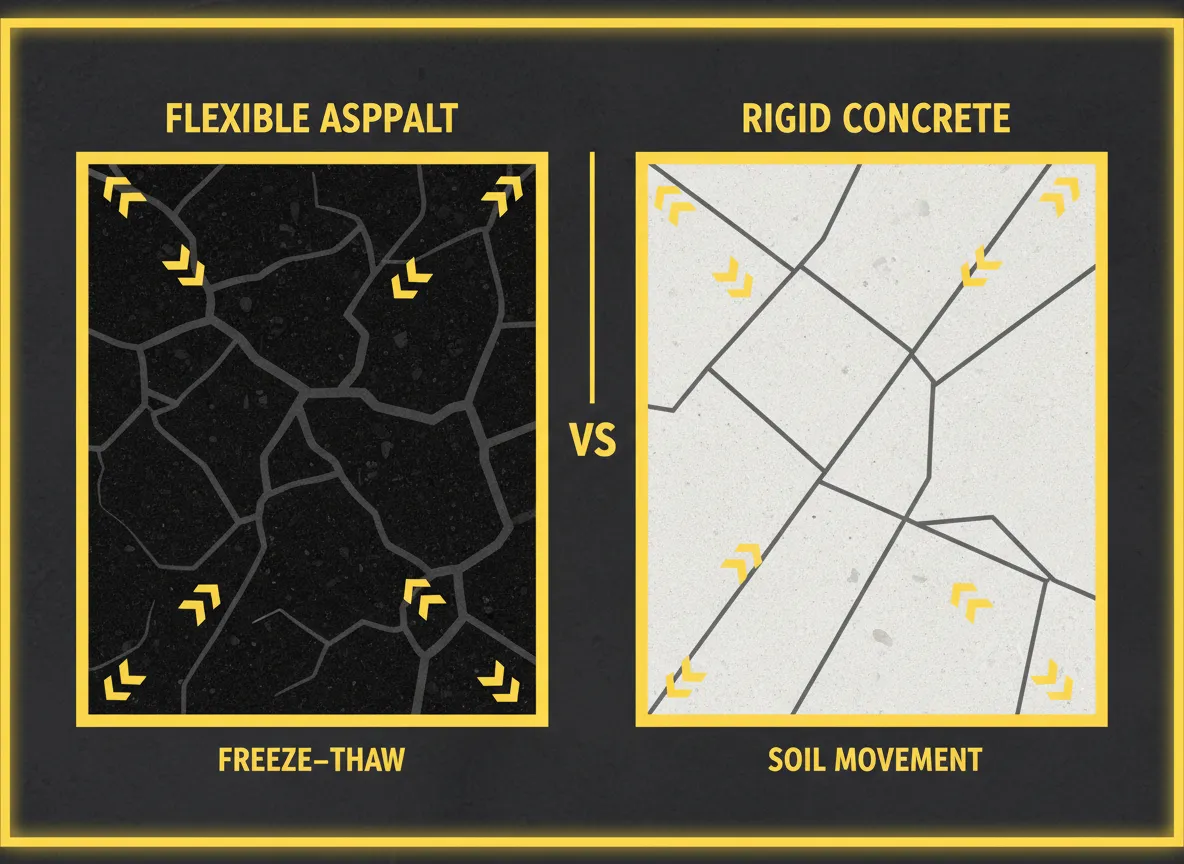
Diagram comparing how asphalt and concrete crack under freeze–thaw and soil movement—key to making the right call in Kansas.
KANSAS-SPECIFIC ANSWERS
Asphalt 101 Blueprint FAQ
These are the questions Kansas homeowners bring up before they commit to asphalt instead of concrete—and the straight, field-tested answers we give them.
How does Kansas freeze–thaw affect an asphalt driveway compared to concrete?
Kansas winters bring repeated freeze–thaw cycles that make the ground move. Concrete is rigid—when the soil shifts or moisture expands, slabs often crack through. Asphalt is flexible and laid in a continuous mat, so it can flex slightly with movement. You may see small cracks over time, but those are easier to seal and maintain than full-depth concrete fractures. The Asphalt 101 Blueprint focuses first on subgrade and base prep, which is where long-term performance is really decided.
Will an oil-black asphalt driveway get too hot in the Kansas summer?
Any dark surface will get warm in direct sun, but asphalt is designed for high temperatures. In Kansas, that extra heat is actually a benefit in winter—it helps melt ice and snow faster and dry up slush. Around play areas or where people walk barefoot, we can discuss layout, shade, and seal coat colors if you’re concerned about surface temperature.
What kind of base do I need for asphalt on Kansas clay soils?
Clay-based soils common in Kansas need a stable, well-drained base. During your consult we evaluate existing subgrade, then typically recommend a compacted crushed rock base with the right thickness for your traffic. In some locations, we may suggest minor regrading or drainage improvements so water moves away from the driveway instead of through it. Your cross-section drawing will spell this out by depth, material, and compaction goals.
How long before I can drive and park on new asphalt?
Most Kansas homeowners can drive on their new asphalt within 24–48 hours, depending on temperature and thickness. Heavy vehicles, trailers, and sharp turning areas may need a little more time. We’ll give you a specific timeline for your project and mark high-stress zones that deserve extra caution during the first few weeks.
Do I still need seal coating if I choose asphalt?
Yes—and it’s an advantage, not a drawback. Seal coating is how we protect your investment from UV damage, water, and automotive fluids. In Kansas, we typically recommend your first seal coat within 1–3 years, depending on traffic and sun exposure, then a maintenance schedule after that. We factor your seal coating plan into the Asphalt 101 Blueprint so you know lifetime ownership costs up front.
Is asphalt always cheaper than concrete in Kansas?
Upfront, a properly built asphalt driveway is usually more cost-effective than concrete for the same footprint. But we prefer to talk lifetime value. Asphalt gives you more options to repair, overlay, or extend your surface as your property changes. Concrete often forces full-panel replacement if something goes wrong. Your Blueprint includes side-by-side cost ranges for asphalt vs. concrete on your actual layout.
Can you overlay my old concrete with asphalt instead of tearing it out?
Sometimes—but not always. Overlays on concrete can work if the existing slab is stable, has the right pitch, and doesn’t have major structural cracking. In other cases, it’s smarter to remove the concrete and rebuild the base correctly. During your on-site Asphalt 101 Blueprint visit, we’ll probe and map your existing surface, then show you whether overlay or full replacement is the better call.
READY FOR A CLEAR PLAN?
Book Your Asphalt 101 Blueprint Consultation
In one focused visit, Jeff Hull’s team will walk your driveway or lane, map your base, and give you a plain-English, Kansas-specific asphalt plan—materials, sections, and next steps included.
- On-site assessment in your Kansas service area
- Asphalt vs. concrete and chip seal vs. hot-mix recommendations
- Simple sketch or diagram of your recommended cross-section
- Straightforward quote and project timeline
Or call now: (620) 332-9186
No pressure. No hard sell. Just a clear, Kansas-engineered recommendation for your surface—and time to ask every question you have.
Request Your Time Slot
Get a Free Quote Today
Request a Quick and Friendly Quote. We Answer in less than 24 hours
We respond to most Blueprint requests within one business day.
Jeff Hull’s Paving & Seal Coating · Altoona, Fredonia, Neodesha, Chanute, Independence
Benedict, Buffalo, Coyville, Thayer, Vilas, Fall River.
© 2026 Jeff Hull’s Paving & Seal Coating. All rights reserved.
Call: (620) 332-9186
Email:[email protected]
Asphalt Paving, Chip Seal, Seal Coating, Pothole Repair, Parking Lot Overlays